In what ways ....
Back· General Chat
Bob Patefield
@bobpatefield30 Jun
In what ways ....
.....has street photography changed how you see the world and interact with people?

I see the world (and the people in it) as kinder than I had previously thought. The most dramatic change for me as far as how I interact with people is that I now slow down and talk to strangers at length and find out about their lives and what interests them. Sometimes I think to ask for a photo but very often I don’t and that balance feels right. It’s a wonderful shift and quite honestly, I believe photography has kept me sane during some dark years here in the US.

Yes!
Street photography showed me the complexities of people. How walking into a coffee shop, one person can have the best day of their life, and the other, the worst.
Do you feel like Jason Bourne when you walk in and reading everyone and everything?
Not necessarily like Jason Bourne, I just feel like me. My own character. Only we get to decide who we are.
Sorry, my East Coast humor.
Hi Bob,
I’ve always been a gregarious person. I’m not really intimidated by people and I’ll talk with just about anyone. That being said, going out to an area and photographing what I see has actually increased my contact with people. I’m genuinely interested in discovering things about people that they freely share. The most revealing thing I’ve learned by photographing people on the street, is how incredibly similar they are to one another, to everyone. Until you get to know people, you operate from a “general” understand that we are more alike than dissimilar. However, once you find this out for yourself, you hear and see it firsthand. The main differences between those l photographed and learned from, is the lenses through which each person experiences their world. Lenses like personal preference, personal experience, past and current circumstances, and socioeconomic conditions, all make ongoing adjustments to each individual. Having a camera and spending time with people, over years, revealed this to me. It forced me to step out of my own world, recognize and embrace my personal blessings and challenges, imagine myself in their worlds, and return to my own with much more clarity and introspection. This level of connection becomes painfully obvious If you’ve photographed someone over a great length of time and suddenly they are not there. You return again and again before you realize that person is gone. In their absence you feel it, you lose a piece of yourself that you may not have fully realized was theirs. For me “street photography” is exponentially more than going for a walk with a camera. What have you learned, Bob?
Hi J. Thanks for asking and thanks for your detailed and very interesting answer.
It's difficult to say because at the same time I've been doing street (about 16 years) I've also been studying philosophy and both have changed how I see the world and interact with people. I've always been a fairly decent and moral person before even understanding ethics, which led me to becoming a paramedic. During my career I had one very exceptional case that changed me (I talk about it in my next article for SPMagazine) and then some health challenges plus a misdiagnosis (you're likely to be dead within 12 months) caused me to shake up my life. Very few people from my past survived that transition,so now I have high standards for friendship. I'm happy to chat to people and I do often when I'm out shooting, but it's rare to find anyone who thinks rationally and more deeply than their base emotions. That's not a criticism of them though as I understand we are all products of our genetics and environments, especially the parenting we received. So in a nutshell i learned that the world in a hyper-competitive place, as are humans (we are wired for it). Most people respond to incentives rather than what is ethical and they are endlessly fascinating. I often feel like an alien exploring a foreign planet and species which I'm regularly shocked and surprised by. 👽 I come in peace though.
I bet you do Bob. I’m honored to hear a bit of your story. Looking forward to reading about it in your article.
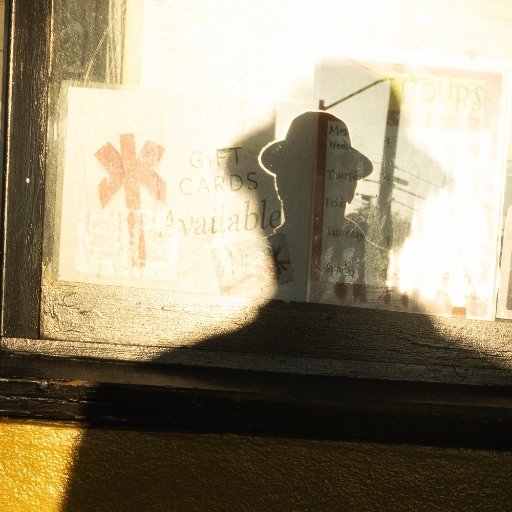
I always tell my friends and family that street photography helps me focus on beauty, human interaction, humor, and emotion. It's also an exercise in letting go and just being open to the world around me. Like therapy!
showed me that the world and my perception of it are two, very different things.
edited
: )